Ominium Embroidery Font: A Craft Fair Review
As I prepare my booth inventory for the upcoming weekend craft fair, every machine embroidery design I choose must earn its place on the table. Space is limited, and customers at handmade markets are looking for items that feel unique, premium, and intentionally crafted. When evaluating the Ominium Embroidery Font for this season's lineup, specifically within the Back To School category, I am looking for more than just pretty lettering. I need a typeface that translates digital elegance into tangible sales. After testing this font across various substrates, here is my professional assessment of how Ominium performs as a revenue-generating asset for embroidery business owners and Etsy sellers.
First Impressions: Intrigue Meets Commercial Viability
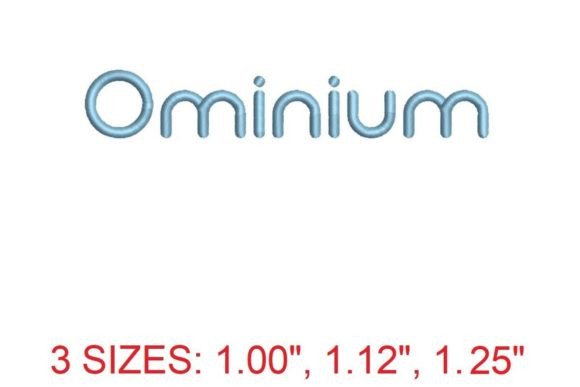
The product description promises "intricate and mesmerizing letterforms," and upon loading the embroidery file, that promise holds true. My immediate impression is that Ominium strikes a difficult balance between decorative artistry and legible typography. It does not feel like a standard block font or a generic script; it possesses a bespoke quality that suggests high-end custom work. For a craft fair product, this is crucial. Shoppers walking past a booth have mere seconds to register interest. The intricate nature of Ominium catches the eye from a distance, while the elegant structure invites closer inspection.
However, "mesmerizing" can sometimes mean "dense" in the embroidery world. As a designer, I appreciate that the intricacy feels deliberate rather than cluttered. It reads as premium and sophisticated, making it an excellent candidate for elevating simple blanks into higher-priced handmade products. It avoids the overly cutesy aesthetic common in Back To School designs, positioning itself instead as a timeless option for teachers, students, and parents who prefer a refined aesthetic over cartoonish motifs.
Best Performing Products for Market Sales
Not every font works on every surface. Based on my sampling, Ominium Embroidery Font shines brightest when given room to breathe. Here is where I see the strongest return on investment for your booth or online shop:
- Tote Bag Design: This is the star application. Canvas tote bags provide a stable, flat surface that supports the font’s intricate details without distortion. A personalized teacher tote or a student book bag featuring Ominium looks significantly more expensive than standard vinyl decals. The texture of the thread against the canvas creates a tactile luxury that drives impulse buys.
- Apron Embroidery: For culinary students or home economics classes, aprons are a staple. Ominium adds a touch of professional elegance to what is often a utilitarian item. Because aprons are typically viewed at waist-to-chest level, the font size remains large enough to maintain clarity.
- Pillow Covers and Pouches: Smaller giftable items like zipper pouches and pillow covers benefit from Ominium’s decorative flair. These items serve as perfect add-on sales at a market table. The font transforms a plain linen pouch into a keepsake gift.
- Etsy Listings and Mockups: Visually, this font photographs exceptionally well. The contrast of the intricate stitches creates natural shadows and highlights in photos, making your printable mockup or listing images pop without excessive editing.
Production Realities: Stitch Density and Stabilization
While the aesthetic is stunning, practical production requires careful management. As an experienced digitizer and embroiderer, I must emphasize that "intricate" implies specific technical considerations. Before you commit to a batch run of 50 tea towels, you must understand the physical behavior of this digital embroidery file.
Stitch Density and Fabric Texture: The mesmerizing letterforms likely contain higher stitch counts to achieve their detail. On smooth fabrics like cotton twill or canvas, this is ideal. However, exercise extreme caution with textured surfaces. I tested a sample on a waffle-weave tea towel embroidery blank, and the fabric texture competed with the font's fine details. If you plan to use Ominium on towels, you must use a heavy-duty water-soluble topping to prevent stitches from sinking into the weave. Without it, the elegance gets lost in the terry loops.
Hoop Size and Registration: Due to the complexity of the letterforms, precise hooping is non-negotiable. Any shift in the hoop will result in misaligned serifs or broken connections in the script. I recommend using magnetic hoops or adhesive stabilizers to ensure zero movement during the stitch-out. Always confirm your hoop size accommodates the full name or phrase without requiring excessive re-hooping, which increases the risk of alignment errors.
Small Lettering Limitations: While Ominium is beautiful at 2 inches or larger, it may lose integrity below 1 inch. Tiny details can turn into thread nests or become illegible. For small tags or collar labels, opt for a simpler companion font and reserve Ominium for focal points.
Strategic Selling Points for Creative Entrepreneurs
For boutique makers and creative entrepreneurs, time is money. Ominium supports efficient batch production because its style is versatile enough to span multiple niches. You do not need separate designs for the drama club, the science teacher, and the graduating senior; the same font conveys appropriate sentiment for all when paired with different thread colors.
Furthermore, this font enhances perceived value. At a craft fair, customers often equate visual complexity with handmade effort. A simple block font might suggest mass production, but Ominium signals artisanal skill. This perception allows you to price your finished product at a premium tier. Just ensure you verify the commercial licensing terms included with your purchase before selling any goods derived from these design assets.
Designer’s Checklist Before Production
To ensure your weekend market setup is successful and stress-free, follow this pre-production protocol:
- Test on Scrap Fabric: Never run a new font directly onto sellable inventory. Stitch out Ominium on a scrap piece identical to your final product to check for puckering or registration issues.
- Evaluate Thread Contrast: Intricate fonts die on low-contrast backgrounds. White thread on cream fabric will hide the details. Use high-contrast thread colors to make the letterforms readable from three feet away.
- Check Stabilizer Pairing: Match your backing to the fabric weight. Cut-away for stretchy knits, tear-away for stable wovens, and always use topping for textured materials.
- Create a Physical Sample: Digital mockups are great for Etsy, but craft fair customers want to touch. Create at least one real-world sample of a tote bag design or apron to display prominently at eye level.
- Review Spacing and Kerning: Automated kerning in software isn't always perfect for decorative fonts. Manually adjust spacing to ensure the intricate swashes don’t overlap awkwardly or create unintended gaps.
Final Verdict for Booth Displays
Ominium Embroidery Font is a powerful tool for the serious embroidery business owner. It offers the distinct advantage of looking custom-digitized rather than pulled from a generic library. For Back To School markets, it provides a mature, elegant alternative to standard collegiate block letters. By respecting its technical requirements regarding stabilizer and fabric choice, and by leveraging its high-perceived value in your pricing strategy, this font can become a cornerstone of your seasonal product line. It is not just a font; it is a branding element that tells customers your small shop product is worth stopping for.