Blueberry Muffin Embroidery Font Review
As an experienced embroidery designer planning my upcoming seasonal collections, I am constantly evaluating new typefaces that can bridge the gap between late summer nostalgia and early autumn coziness. When I first loaded the Blueberry Muffin Embroidery Font into my software, I was looking for more than just legible lettering; I needed a typeface that evoked warmth, comfort, and homemade charm. This review reflects my practical assessment of this machine embroidery design as I prepare inventory for holiday shoppers, Back To School transitions, and personalized gift markets.
First Impressions: A Recipe for Seasonal Warmth
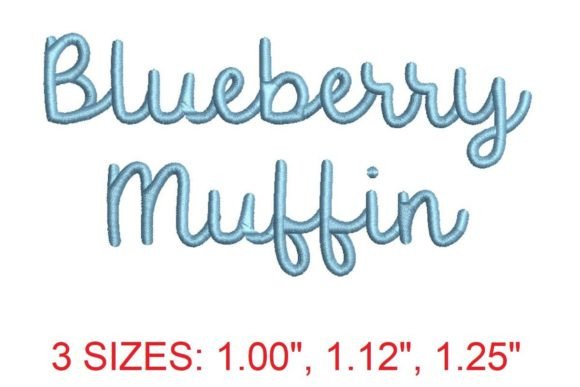
The immediate emotional tone of the Blueberry Muffin Embroidery Font is undeniably cozy and playful. It strikes a delicate balance between rustic charm and modern readability, making it feel less like a rigid digital file and more like hand-lettered signage from a country bakery. For sellers focusing on handmade gifts, this aesthetic is gold. The letterforms possess a softness that suggests comfort food and family gatherings, which aligns perfectly with the psychological triggers buyers respond to during the holiday season.
Unlike stark block fonts or overly ornate scripts that can feel cold or difficult to read at smaller sizes, this font carries a decorative style that feels approachable. It reads as premium yet accessible, suggesting that the finished product was stitched with care rather than mass-produced. For my shop, this means the font communicates value before the customer even touches the fabric. It feels festive without being exclusively tied to Christmas, allowing it to carry sales from late August through Thanksgiving and beyond.
Strategic Applications for Holiday and Gift Products
In real-world selling situations, versatility is key to maximizing return on investment for any digital embroidery file. I have identified several high-potential applications for the Blueberry Muffin Embroidery Font across my seasonal lineup. Its weight and character spacing make it exceptionally well-suited for sweatshirt embroidery, particularly on crewnecks intended for fall festivals or casual holiday parties. The font’s personality shines on fleece and French terry, where the stitches sink slightly into the fabric texture, enhancing the vintage, lived-in look that Etsy sellers know drives engagement.
Beyond apparel, this font is a strong contender for home decor items. I plan to use it for kitchen towel embroidery featuring family names or baking-themed quotes. The connection between the font’s name and its application on culinary textiles creates a cohesive branding opportunity that customers appreciate. Similarly, tote bag designs benefit from this typeface because it remains legible from a distance while maintaining a boutique aesthetic. For the holiday rush, I also see significant potential in using this font for personalized ornaments and pillow covers. These items often serve as sentimental gifts, and the friendly curvature of the letters reinforces the emotional connection of a personalized gift.
For those creating limited edition drops or gift bundles, this font pairs beautifully with simple line art or fruit motifs. It allows for quick customization, which is essential when fulfilling high volumes of orders during peak shopping periods. Whether you are designing embroidered patches for denim jackets or monograms for baby items, the Blueberry Muffin Embroidery Font offers a consistent visual identity that helps build brand recognition across diverse product categories.
Technical Considerations and Usage Cautions
While the aesthetic appeal is high, professional results depend on understanding the technical limitations of any embroidery file. As I tested this design, I noted specific areas where caution is required. First, consider your hoop size and scaling. While the font is versatile, shrinking it too small for tiny tags or collar labels may result in lost detail or thread breaks. Always verify the minimum recommended size in the product details before committing to micro-embroidery projects.
Fabric texture plays a massive role in the success of this design. On thick towels or plush fabrics, the stitch density must be sufficient to prevent the background from showing through, but not so dense that it causes puckering. Conversely, on stretchy garments like ribbed knits, proper stabilizer selection is non-negotiable. I recommend testing on scrap fabric that matches your final product's weight and stretch factor. Dark fabrics present another challenge; ensure the font has adequate underlay or adjust your top thread colors to maintain contrast and definition. Metallic threads can add a festive touch, but they require slower machine speeds and larger needles to prevent shredding, especially if the font includes tight curves.
Sellers targeting the commercial embroidery market should also consider washability. Items like aprons and table linens face repeated laundering. Ensure your tension is balanced and trims are clean so the design maintains its integrity over time. If you are unsure about the specific stitch count or licensing terms for commercial use, always check the designer’s provided documentation before listing finished products for sale.
Elevating Shop Value and Buyer Engagement
Incorporating the Blueberry Muffin Embroidery Font into my collection is a strategic move to enhance perceived product value. During the holiday shopping period, buyers are scanning for items that feel unique and thoughtful. A generic font can make a personalized item feel cheap, whereas this distinctive typeface signals artisanal quality. This directly impacts buyer emotion and trust; customers are more likely to purchase from a shop that demonstrates attention to typographic detail.
From a marketing perspective, this font photographs exceptionally well. When creating printable mockups or social media previews, the letterforms are distinct enough to be read in thumbnail images, which is crucial for mobile shoppers browsing Etsy or Instagram. Visual recognition is faster when the typography has character, leading to higher click-through rates. Furthermore, using a consistent font across Back To School backpacks, autumn decor, and winter gifts creates a cohesive shop aesthetic that encourages repeat business and bundle purchases.
Designer Notes for Stitching Success
To ensure your seasonal products meet professional standards, keep these practical notes in mind when working with this machine embroidery design:
- Test Thread Colors: Always run a sew-out on both light and dark fabrics. What looks good on screen may lack contrast on navy fleece or cream linen.
- Verify Stabilizer Pairings: Use cut-away stabilizer for stretchy sweatshirts and tear-away for stable woven fabrics like canvas totes. The wrong stabilizer will distort the letter spacing.
- Check Stitch Density: Before stitching on expensive holiday blanks, confirm the density works with your specific thread brand and fabric weight to avoid coverage gaps or needle damage.
- Create Realistic Mockups: Do not rely solely on digital renderings. Stitch a sample to photograph for listings so customers understand the true texture and scale of the finished product.
- Review Small Details: After stitching, inspect inner loops and crossbars. If they are filling in, increase the size or adjust pull compensation settings in your software.
- Confirm Licensing: Before selling physical items made with this digital embroidery file, double-check the commercial license terms to protect your small business.
- Plan Color Palettes: Select thread colors that complement the seasonal mood. Muted berries, warm creams, and sage greens enhance the muffin-inspired theme better than neon primaries.
The Blueberry Muffin Embroidery Font is more than just a novelty typeface; it is a functional tool for creators who want to infuse their seasonal products with genuine warmth. By respecting its technical requirements and leveraging its cozy aesthetic, sellers can create standout items that resonate deeply with holiday shoppers and gift-givers alike. As we transition through the seasons, having a reliable, emotive font in your library is just as important as having the right thread colors—it is the foundation of storytelling through stitch.