Alisha Font: Seasonal Embroidery Design Review
As I curate my upcoming seasonal collection, selecting the right typography is just as critical as choosing the perfect holiday palette. When reviewing the Alisha Font for my shop’s new lineup, I am looking for more than just a pretty script; I need a workhorse design that translates emotion into stitches. The product description promises infectious energy and heartfelt messages, which immediately signals its potential for personalized gifts and uplifting apparel. As an experienced embroidery designer, I have tested this font across various applications to determine if it truly delivers on that promise for commercial creators and Etsy sellers preparing for the busy holiday rush.
First Impressions: Emotional Tone and Stitch Quality
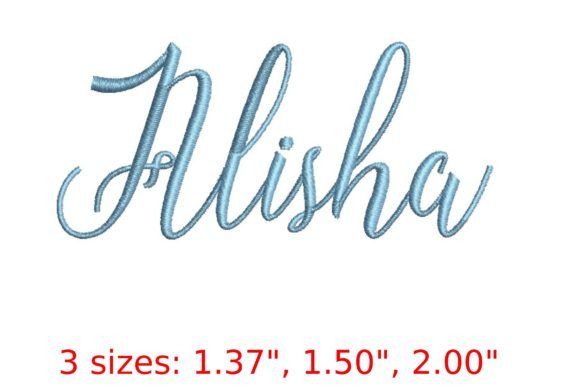
My initial assessment of the Alisha Font focuses on its emotional resonance. In the world of seasonal embroidery, customers are buying feelings as much as they are buying finished goods. This font strikes a delicate balance between modern playfulness and nostalgic warmth. It does not feel overly formal or stiff, making it ideal for cozy sweatshirts and family-centric items. However, it retains enough elegance to work on premium home decor. The flow of the script suggests movement and joy, aligning perfectly with the "infectious energy" described in the product details.
From a technical standpoint, the digitization appears optimized for readability without sacrificing style. Many decorative fonts fail when stitched because the connecting threads are too thin or the curves are too sharp for standard thread tension. Alisha seems to maintain consistent stitch density throughout its loops and tails. This is vital for maintaining visual recognition in social media previews and product mockups. If a font looks beautiful on screen but puckers or breaks during production, it is useless for a small business owner operating on tight margins. My first test stitch confirmed that the design holds its shape well, preserving the intended upbeat mood even after hooping.
Applications for Holiday and Back To School Collections
Versatility is key when investing in a digital embroidery file. I evaluated Alisha specifically for its crossover appeal between late summer Back To School transitions and early winter holiday prep. Here is how this machine embroidery design performs across different product categories:
- Sweatshirt Embroidery: This is where Alisha shines brightest. The script has enough weight to stand out against fleece and french terry fabrics without requiring excessive backing. It works exceptionally well for collegiate-style names or inspirational phrases like "Joy" or "Mama," creating that coveted handmade gift aesthetic.
- Tote Bag Design: For craft fair displays and eco-friendly holiday shopping, this font reads clearly on canvas. The open nature of the lettering prevents the fabric from becoming too rigid, ensuring the bag remains functional and soft.
- Kitchen Towel Embroidery: Holiday baking is a massive niche. Alisha adds a personal touch to tea towels and aprons. Because the strokes are fluid rather than blocky, it complements the rustic texture of linen and cotton waffle weave without looking industrial.
- Pillow Cover and Home Decor: For limited edition seasonal drops, this font elevates simple throw pillows into statement pieces. It pairs beautifully with velvet or faux fur textures for a luxurious yet approachable look.
- Baby Items and Family Matching: The softer curves make it appropriate for nursery decor and matching family pajamas. It avoids the sharp edges that can sometimes irritate sensitive skin on baby blankets or bibs.
Navigating Technical Limitations and Fabric Challenges
No embroidery file is perfect for every scenario, and professional integrity requires acknowledging where caution is needed. While Alisha Font is robust, there are specific instances where I advise fellow designers to proceed carefully.
Small Hoop Sizes and Tiny Lettering
Script fonts rely on continuous flow. When scaling Alisha down for small areas like cuffs, collar tags, or ornament details, the connecting stitches can become problematic. If you are working with a 4x4 hoop size or smaller, always run a test stitch. Reducing the size too aggressively may cause thread breaks or illegible text. For tiny applications, consider using only single initials or short words rather than full names to preserve the integrity of the design.
Thick Towels and High-Pile Fabrics
While excellent for kitchen towels, high-pile terry cloth presents challenges. The loops of the towel can push through the satin stitches of the script. You must use a water-soluble topping and a sturdy cut-away stabilizer to keep the Alisha Font sitting on top of the fabric texture. Without proper stabilization, the intricate details of the script will get lost in the pile, diminishing the perceived value of the personalized gift.
Metallic Thread and Stretchy Garments
The festive season often calls for sparkle, but metallic thread increases friction. Because Alisha features flowing curves, running metallic thread at high speeds can lead to shredding. Slow your machine speed and use a larger needle eye if attempting this combination. Additionally, on stretchy knits used for holiday apparel, ensure you are using ballpoint needles to prevent fabric damage. The font's energy should come from the design, not from distorted fabric caused by improper needle choice.
Boosting Shop Value and Customer Engagement
Incorporating Alisha Font into your catalog is a strategic move for increasing average order value during peak seasons. Personalization is the primary driver for Etsy sellers and independent makers. Customers are willing to pay a premium for items that feel bespoke. By offering this font as a customization option, you signal to buyers that you understand current trends while delivering quality craftsmanship.
Visual consistency builds brand trust. Using Alisha across multiple product lines—from embroidered patches to printable promotional graphics—creates a cohesive shop identity. When customers see the same distinctive script on your Instagram stories, listing photos, and packaging, it reinforces brand recognition. This familiarity reduces purchase hesitation during the chaotic holiday shopping period. Furthermore, the uplifting nature of the font encourages user-generated content; customers love sharing photos of positive messages, providing you with free social proof.
Essential Designer Notes for Production Success
Before adding products featuring Alisha Font to your live listings, adhere to these practical production guidelines to ensure customer satisfaction and minimize returns:
- Verify Licensing: Always confirm the commercial licensing terms included with your digital embroidery file before selling finished products. Ensure your usage tier covers the volume of sales you anticipate during the holiday rush.
- Test Thread Colors: Contrast is crucial. Test the font on both light and dark fabrics. A pastel pink might look stunning on white cotton but disappear entirely on cream linen. Create a physical color chart for your studio to reference when fulfilling custom orders.
- Stabilizer Selection: Do not rely on tear-away stabilizer alone for garments. Use a fusible mesh or cut-away stabilizer to support the script over time, especially for items destined for repeated washing like aprons and baby clothes.
- Create Realistic Mockups: Avoid flat, digital-only representations. Stitch out samples on actual blanks to photograph. Buyers need to see how the Alisha Font interacts with real fabric texture and lighting. This transparency reduces disputes regarding size and appearance.
- Check File Specifications: Since specific stitch counts and format compatibility were not provided in the initial brief, verify these details in your software before purchasing or downloading. Ensure the file format matches your machine’s requirements to avoid conversion errors that could alter the stitch path.
Ultimately, the Alisha Font represents a valuable asset for seasonal product development. It captures the joyful, heartfelt spirit required for successful holiday merchandise while offering the technical reliability needed for commercial production. By respecting its limitations and leveraging its strengths, you can create a collection that inspires, uplifts, and sells.